



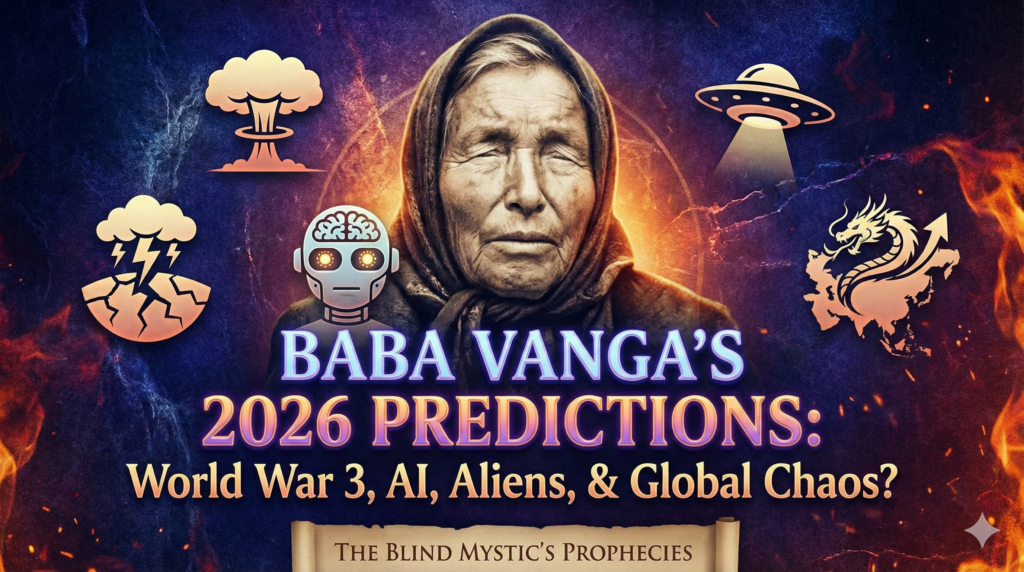
For decades, Baba Vanga, the blind Bulgarian mystic often called the “Nostradamus of the Balkans,” has fascinated the world with her eerie predictions. From global conflicts to natural disasters and political shifts, many believe her prophecies have uncannily mirrored real events.
As we move closer to the future, one question is trending online again:
What did Baba Vanga predict for 2026?
Let’s explore her alleged predictions for 2026, separating myth from mystery—while keeping an open, curious mind.
Who Was Baba Vanga?
Baba Vanga (born Vangelia Pandeva Gushterova) lost her eyesight at a young age but claimed to gain the ability to see the future. Before her death in 1996, she reportedly made predictions stretching as far as the year 5079.
It’s important to note:
👉 Most of her prophecies were passed down verbally, which means interpretations can vary.
Still, her name resurfaces every year—especially when global events feel uncertain.
Baba Vanga’s Predictions for 2026 (As Widely Believed)
1. Global Economic Shifts and Financial Instability
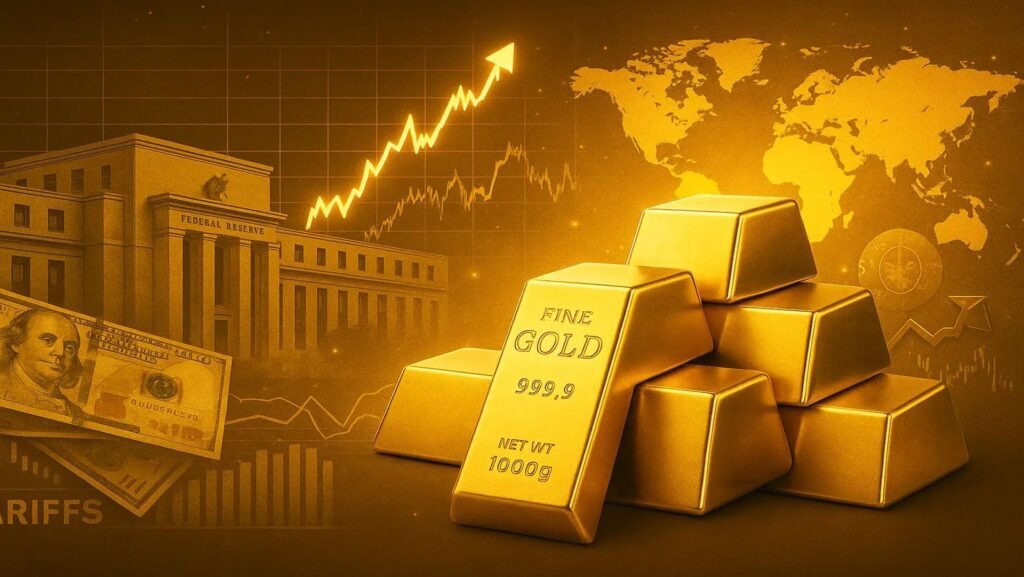
One of the most discussed predictions linked to 2026 is economic turbulence. According to followers of Baba Vanga’s prophecies:
-
Major economies may experience financial pressure
-
Inflation, debt, and currency instability could reshape global markets
-
Traditional financial systems may face challenges, forcing governments to rethink economic models
This aligns with current global concerns around inflation, interest rates, and geopolitical tensions—fueling belief in her foresight.
2. Europe Facing Major Challenges
Another prediction often attributed to Baba Vanga suggests that Europe may go through a difficult phase around 2026.
Speculations include:
-
Political unrest or power shifts
-
Economic strain across multiple nations
-
Social divisions driven by migration, energy crises, or governance issues
While these predictions are broad, ongoing events have made many people revisit her warnings.
3. Technological Power and Human Dependency
Baba Vanga is believed to have warned about human over-reliance on technology, and 2026 is often mentioned as a key turning point.
Possible interpretations include:
-
Artificial intelligence influencing daily life at an unprecedented scale
-
Technology controlling decision-making rather than assisting it
-
Ethical concerns around automation, surveillance, and digital dependence
In today’s AI-driven world, this prophecy feels surprisingly relevant.
4. Climate and Natural Disasters
Several sources claim Baba Vanga foresaw intensifying natural disasters around the mid-2020s, including 2026.
These may include:
-
Extreme weather events
-
Floods, droughts, or heatwaves affecting millions
-
Climate change accelerating faster than expected
With record-breaking temperatures and disasters already occurring worldwide, such predictions continue to attract attention.
5. A Turning Point for Humanity
Not all of Baba Vanga’s predictions are dark. Some interpretations suggest that 2026 could be a wake-up call for humanity.
This includes:
-
A shift toward collective responsibility
-
Greater awareness about environmental protection
-
Societal changes driven by hardship but leading to long-term growth
In this sense, 2026 is seen not just as a year of challenges—but transformation.
How Accurate Are Baba Vanga’s Predictions?
It’s crucial to approach these prophecies with balance.
✔ Many predictions are vague and symbolic
✔ Interpretations often change over time
✔ No written records exist—most claims come from secondary sources
That said, the reason Baba Vanga remains relevant is simple:
Her predictions often reflect human fears, hopes, and global uncertainty—making them timeless.
Why Baba Vanga Still Trends in 2025–2026
-
Rising global tensions
-
Rapid technological change
-
Economic uncertainty
-
Climate concerns
In uncertain times, people naturally look to prophecies for meaning—and Baba Vanga continues to capture that curiosity.
Final Thoughts
Whether you see Baba Vanga as a true visionary or a symbolic figure, her predictions for 2026 spark meaningful conversations about where the world may be heading.
Rather than fearing the future, perhaps the real value lies in using these prophecies as a reminder—to stay aware, adaptable, and responsible.
The future isn’t written in stone—but our actions today will shape 2026 and beyond.